Welcome to Anglezarke.net — your gateway to one of the most captivating corners of the West Pennine Moors. This landscape is a tapestry of ruined farmsteads, winding brooks, ancient settlements dating back twenty thousand years, and wildlife thriving amidst breathtaking scenery.
Anglezarke.net was hacked in mid-2025 and I lost the whole site. Thankfully, I’ve got the pages backed up locally, but there’s quite a lot of work bringing it back to life. They are in HTML, and I need to put them back into WordPress. This is a work in progress that I hope to have completed in the coming months.
The name Anglezarke itself carries a story. Once recorded as Anlezark and Anglezargh, it blends Norse‑Gaelic roots: Anlaf, a Scandinavian personal name, and erg or àiridh, meaning “hill pasture” or “shieling.” Together, they describe Anlaf’s hill pasture. The earliest spelling, found in 1202, was Andelevesarewe. Over centuries, it shifted through forms like Anlavesargh (1225), Anlasargh (1351), and Anlazarghe (1559), before settling into the modern Anglezarke in the 1900s.
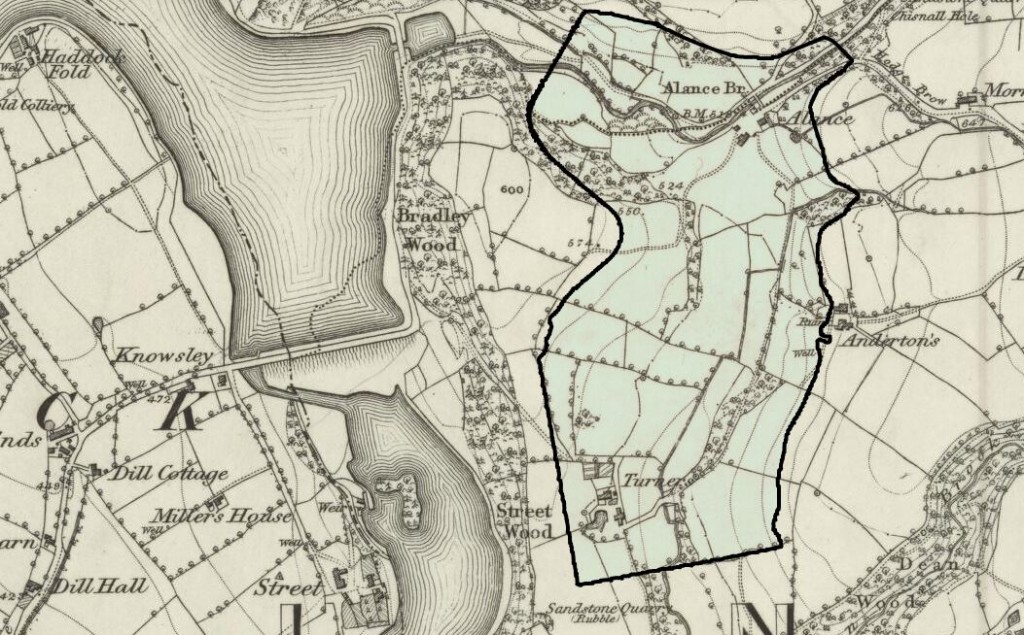
Maps tell part of the tale too. Yates’ Map of 1786 was the first accurate survey of Lancashire, and by 1894 there were even plans to merge Anglezarke with Heapey — plans that local ratepayers successfully resisted. Some historians suggest an alternative meaning: Anglezargh as “Heathen Temple,” hinting at a sacred site linked to Norse deities.
This site is dedicated to uncovering and sharing those stories — through original research, first‑hand visits, and careful cross‑checking of sources. Whether you’re here to explore ruins, trace the evolution of place‑names, or simply enjoy the moor’s beauty, Anglezarke.net aims to be the most comprehensive resource available, online or off.